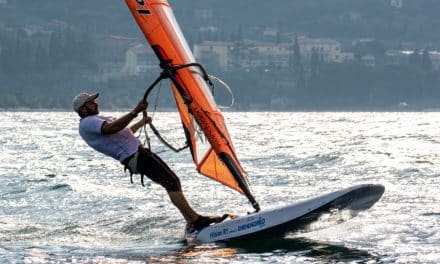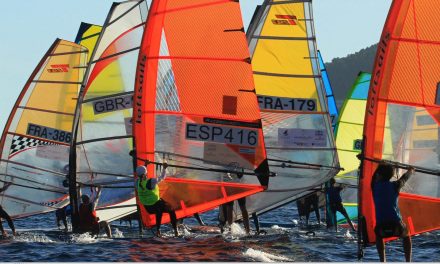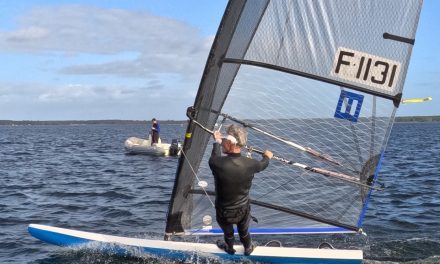
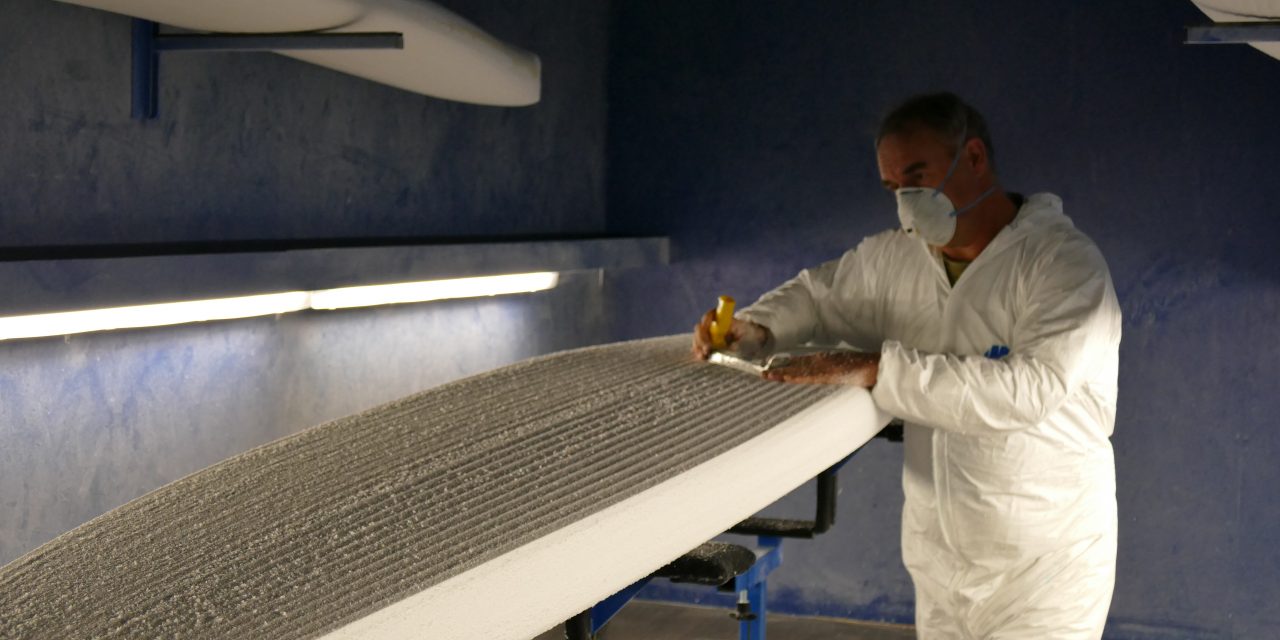

Présentation de Patice Remoiville, shapeur de Paddle et assurément un perfectoinniste du sujet. Situé près de Vannes, il nous présente son activité et ses nouvelles orientations vers les planches windsurf à dérive, open mais aussi raceboard. Quasi inconnu des pratiquants raceboarder, il pourrait bien surprendre avec l’apparition de nouveaux shapes prochainement.
FRA: Peux-tu te présenter?
Patrice Remoiville, j’ai 55 ans, originaire de Soustons dans les Landes, je suis installé dans le Morbihan depuis 2012. J’ai a peu prêt pratiquer tous les sports nautiques sur le lac du village et sur l’Océan tout proche : de l’Optimist dès l’âge de 4/5 ans, Europe et 420 à l’adolescence, puis Planche à voile, Aviron, Hobie Cat. Mais c’est le surf que j’ai découvert vers l’âge de 10 ans, qui est devenu ma passion, mon métier et le fil conducteur de toute ma vie, depuis.
Dès l’âge de 16 ans, j’ai commencé à fabriquer mes premières planches. Il s’agissait de s’inspirer des premiers funboards ou water Start, que l’on voyait dans les magazines. Puis avec un copain, nous avons créé notre premier atelier de shape, de planche de surf à Vieux-Boucau, j’avais juste 22 ans.
Ton parcours pro et ce que tu fais à présent, ton atelier est basé où? Tu travailles seul?
Mon entreprise s’appelle 3 Bay Paddle Surf SAS et elle est installée à Plescop – Vannes, depuis presque 4 ans. Auparavant, j’étais Chef de Produit pour le Stand Up Paddle chez BIC SPORT à Vannes de 2011 à 2015.
A 3 Bay Paddle, nous sommes deux à travailler à la production plus un saisonnier en général pour les 6 premiers mois de l’année.


Connais tu les planches à dérive et la gestion spécifique de la mise en place d’un puits de dérive?
La fabrication du puit de dérive et sa pose, dans le shape a était cette année, la partie où j’ai eu le plus à apprendre et expérimenter. Heureusement que ma CNC me permet déjà d’usiner dans le shape l’emplacement exact du puit. Mais je souhaite fabriquer très vite le moule d’un puit avant de démarrer la production de série. Car pour l’instant mon système de fabrication et d’intégration du puit est trop long.
Tu es équipé d’une CNC 5 axes. Est-ce une technologie compatible avec la fabrication de petites séries en termes de rendement de production et de compétitivité au niveau du prix?
Mon atelier est équipé d’une CNC 5 axes, fabriquée par une petite entreprise des environs de Montpellier : KMS SYSTEM. Elle est spécialement développée pour les ateliers de shape et pour l’usinage de mousse rigide. Elle a une capacité maximale en longueur de 18’.
Avec le logiciel de design SHAPE3D cet ensemble est d’un coût raisonnable, qui peut être amorti sur 5 ans et pour un atelier de taille moyenne, comme le mien (200 planches et+). L’usinage des blocs se fait à l’unité, mais bien sûr des séries de pièces identiques, permette de minimiser les temps de réglages.
Mais la précision obtenue et la reproductivité des formes, est incomparable, par rapport à un usinage manuel. Ce genre de machine CNC est indispensable désormais pour la production de planches.


Des projets sur des planches à dérive?
C’est le belge Bernard Buren, qui m’avait approché il y a deux ans, pour un projet de fabrication de planches Open. Puis nous sommes passés à la phase de production des deux premiers prototypes au Printemps dernier. C’est Alain Cadre, qui s’est chargé du design sur SHAPE3D, qui a testé le premier proto en Morbihan en juin dernier.
Depuis, nous avons demandé l’homologation du modèle à la WORLD SAILING. De manière à ce que je puisse la proposer à la vente dès 2020.


Your content goes here. Edit or remove this text inline or in the module Content settings. You can also style every aspect of this content in the module Design settings and even apply custom CSS to this text in the module Advanced settings.
Es-tu informé sur les développements actuels au niveau produits et technologiques comme la résine Elium d’Arkema qui rend les composites recyclables ou les thermoplastiques composites qui autorisent la mise en œuvre de composites sans chimie?
Oui en effet. J’ai d’ailleurs l’habitude depuis de nombreuses années de me rendre chaque année en mars au JEC à Paris, pour bien sûr y visiter mes fournisseurs, mais aussi aller « à la pêche » aux nouveautés, en matière de matériaux composites.
Depuis plusieurs années et d’abord pour le compte de BIC, j’ai développé toute une gamme de Stand Up Paddle, puis de planches de surf, utilisant autant que possible des matériaux « Ecofriendly) : fibre de lin, de cellulose, bois, résine epoxy bio-sourcée et de liège.
Celles-ci sont d’ailleurs toujours commercialisées, sous les marques EARTH SUP et EARTH SURF.
Mais je souhaite allez plus loin encore en essayant de me passer de l’âme en polystyrène expansé, pour des planches de SUP moulés creuses et dont la peau, serai constituée d’un sandwich de lin/liège/époxy. J’espère arriver à fabriquer un premier proto cet hiver.
Je n’ai jamais pu essayer la résine Elium car je ne suis pas certain qu’elle soit bien adaptée à mon procédé de fabrication (temps de gel trop long il me semble). Cependant ce ne sont que des rumeurs, d’utilisateurs l’ayant testée et jamais aucun commercial ne m’a contacté pour me la proposer à l’essai.
Quant aux thermoplastiques composites, « thermo » veux dire, chaleur et chauffage pour la mise en forme de la pièce sous-presse, puis son durcissement. C’est donc incompatible pour la stratification d’un shape de PSE de densité 15kg/m3, qui commence à fondre à partir de 80 à 90°C.
C’est un moyen de production pour de très grosses séries de pièces, en raison du cout élevé de l’outillage de moulage.

Penses-tu cela transposable à l’industrie du windsurf et accessibles aux petits ateliers comme le tien?
« L’industrie du Windsurf » je pense que c’est un peu exagéré, pour ce qu’il en existe en Europe, on devrait plutôt dire « Artisanat du Windsurf » voire « autoentrepreneur du Windsurf !
La technique de fabrication de l’âme de mousse « shapée » puis stratifié et ponçer pour faire la finition + décoration/peinture, est par essence artisanale. Même dans une usine comme COBRA en Thaïlande, ils y fabriqueront des dizaines de milliers de planches par an, de la même manière que nous artisans européens. A la différence qu’ils multiplieront les postes de travail et spécialiseront simplement le personnel pour produire plus.
Tu souhaites ajouter des choses?
Hélas mon projet de fabrication de planches Open, voire de planches de Raceboard dans l’avenir, pourrait ne jamais aboutir, si je ne trouve pas vite un fabricant des rails de pieds de mat d’environ 75 cm de long, qui équipent ces planches. Cette pièce vitale, semble être le monopole de COBRA Inter.