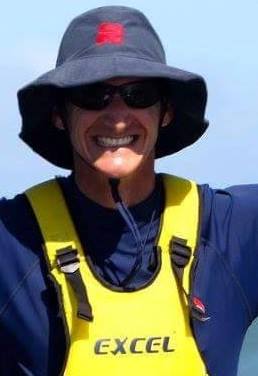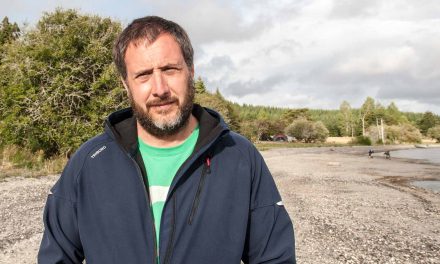
Nicolas, parlez-nous de vous et de votre parcours.
Je suis actuellement an charge du projet Equipe de France Jeune féminine de planche à voile, et je suis basé sur Marseille où se situe le Pôle France Olympique qui est la base de préparation de l’équipe de France de voile pour les JO 2024.
J’ai été membre de l’équipe de France de planche à voile olympique de 1997 à 2008, et j’ai participé à trois préparations olympiques pour Athènes, Sydney et Pékin. J’ai représenté la France lors de championnats d’Europe et du monde, où j’ai décroché plusieurs podiums et un titre mondial. Mes succès incluent également une victoire aux Jeux méditerranéens en 2005.
Après l’arrêt de ma carrière compétitive en Planche à voile olympique, j’ai continué à naviguer sur d’autres supports Windsurf dans les vagues, en freeride et en Raceboard. L’arrivée du windfoil a été une transition significative pour moi, et j’ai décidé de me consacrer à cette discipline en compétition dans un premier temps, puis désormais en tant qu’entraineur pour partager mon expérience et mes connaissances avec la nouvelle génération.
C’est un métier passionnant car il y a sans arrêt de nouveaux challenges pour aider les athlètes à progresser, et notamment les athlètes féminines. Le niveau international ne cesse de progresser, et la concurrence est rude pour que la France reste aux avants postes. L’arrivée de l’IQFOIL comme planche olympique demande des qualités techniques, physiques et de l’engagement. Il faut être lucide, réactif et précis dans le jeu de la régate car les situations tactiques se font et se défont très vite.


Quel est votre discipline préférée ?
J’ai commencé à naviguer en optimist, puis la planche à voile en autodidacte car je n’ai jamais pris de cours. Naviguer a été pour moi une réelle échappatoire à l’adolescence dans lequel je me suis énormément investi. La mer offre un espace de liberté unique où il n’y a « ni feux rouges, ni embouteillages ». Ajoutez à ça les sensations que l’on peut avoir, je trouve ça dingue ! La planche est devenue un peu le prolongement de moi-même sur l’eau…
La vague reste ma discipline de cœur, et j’adore surfer et sauter…Le matériel est sans cesse plus accessible et plaisant pour cela. J’aime aussi beaucoup la régate, la planche olympique, la Raceboard et le Windfoil m’ont permis de me confronter sur de nombreux plans d’eau dans le monde.
Ce que j’aime dans le Windsurf, c’est la diversité des supports. Je suis capable de me faire plaisir sur tout ce qui flotte. Par exemple, une année en Costa Brava, j’ai passé une heure de plaisir en naviguant sur une raceboard Hybrid et une voile en Dacron sans harnais dans un vent de plus de 20 nds, à l’ancienne ! C’est un super souvenir.
Que pensez-vous du foil en tant que support olympique ?
L’arrivée du foil en tant que support olympique représente une évolution majeure dans le monde de la planche à voile, et j’ai eu la chance de participer à la promotion de l’IQfoil de chez Starboard lors de sa candidature pour les JO de Paris 2024. C’est donc ce support qui est le support officiel pour les Jeux Olympiques de 2024.
L’IQfoil est un support bien conçu qui répond aux exigences de la régate olympique mais peut aussi convenir à des planchistes de bon niveau. Il est capable de naviguer dans un large éventail de conditions de vent, de 7 à 30 nœuds, et sa solidité en fait une planche peu sujette aux cassures, ce qui en fait un choix idéal pour les Jeux Olympiques.
Les formats de course ont également évolué avec l’introduction du foil, avec des parcours prés/vent arrière, un marathon mais aussi des départs travers lancé à plus de 50 km/h, ce qui ajoute un aspect spectaculaire qui s’inspire des courses à l’America’s Cup. La sécurité est donc un enjeu majeur, avec la nécessité de porter un casque et un gilet antichoc pour minimiser les risques. Il est crucial d’encourager d’ailleurs tous les pratiquants, quel que soit leur niveau à être équipé.
Il reste quelques défis à relever notamment en termes de valorisation et de promotion de notre sport. Il y a un manque de moyens de communication et de retranscription en direct des courses, ce qui peut limiter la visibilité de ce sport passionnant. Ce support demande aussi un certain gabarit pour pouvoir l’utiliser de manière optimale, ce qui a fait évoluer les attentes physiques au niveau des athlètes mais la polyvalence reste primordiale pour celui et celle qui prétendra à la médaille d’or aux JO cet été.
En ce qui concerne les spécificités du matériel, les garçons utilisent des voiles de 9m² tandis que les filles utilisent des voiles de 8m², et après quatre ans de recherche et de développement, des ajustements continus sont effectués pour améliorer le matériel. Il y a un projet d’abaisser les surfaces de voile pour les JO 2028 à 8m² pour les garçons et 7,3 m² pour les féminines. Le foil et le flotteur sont les même pour les hommes et les femmes.
Naviguer avec le foil apporte une sensation unique, on croirait être sur « un tapis volant ». La vitesse est omniprésente, et se déplacer sur l’eau avec autant de rendement est inouïe. Cela contraste avec les planches archimédiennes comme la raceboard qui reste intéressante car très polyvalente et avec la possibilité de se déplacer sans contrainte sur les plans d’eau même dans les vents légers, et reste un excellent support pour régater.


Comment est-ce qu’on prépare des JO ?
Préparer les JO pour un athlète est un processus long qui s’étalonne sur quatre ans, mais en fait commence bien avant car il faut murir techniquement, physiquement, mentalement et prendre de l’expérience en compétition. Chaque nation doit se sélectionner via la performance de leurs athlètes sur les épreuves internationales majeures, puis les nations sélectionné leur représentant. La sélections des athlètes est un processus long et éprouvant.
Actuellement, on est en phase finale de préparation des sélectionnés Français. Nicolas Goyard chez les hommes et Hélène Noesmen chez les femmes. Cette « phase finale » est notamment dédiée au test du matériel qui sera utilisé au JO. Ils ont le choix entre quatre foils, quatre mats et quatre voiles pour sélectionner les items qui leur correspondent le plus, le flotteur et le wishbone sera fourni juste avant l’épreuve.
Outre ce travail de test, il y a la préparation physique, technique et les dernières adaptations au plan d’eau de Marseille, il y a aussi la préparation mentale pour anticiper au maximum les différents scénario qui pourront se passer lors de la compétition cet été. Nous avons une belle équipe de France, qui a toutes ses chances pour remporter des médailles. En plus, nous sommes à la maison !
Entrainer des femmes et des jeunes filles, ça change quelque chose ?
Pour moi, ce qui est motivant dans l’entrainement des femmes, c’est de ne pas s’imposer de frontières par rapport aux hommes. Elles sont capables de faire aussi bien et voir mieux dans les différents domaines de la performance. Bien sûr, les hommes sont plus puissants et souvent plus rapides mais l’idée est là. Les possibilités de progression sont immenses pour les filles que j’entraine. Aujourd’hui, il commence à y avoir des recherches dans le domaine du sport féminin, ce qui ouvre de belles possibilités de progression et d’individualisation de l’entrainement et plus largement de la performance.
Nous vivons une phase de rattrapage en ce qui concerne la place des femmes dans le sport et dans la société en général. Le sport est souvent en avance sur les questions sociales, et la parité hommes/femmes en termes d’athlètes aux Jeux Olympiques de Paris est enfin atteinte, tout comme en voile olympique. Cela reflète donc l’évolution, et le rattrapage qui est en cours sur la place de la femme dans le sport. Mais il y a encore beaucoup de chemin à parcourir ! Les cycles hormonaux par exemple sont souvent perçus comme un obstacle à l’entrainement et à la performance, mais peuvent en réalité être une force s’ils sont compris et utilisés correctement.

Ça vous tente les Championnats du monde de raceboard à Cannes en 2025 ?
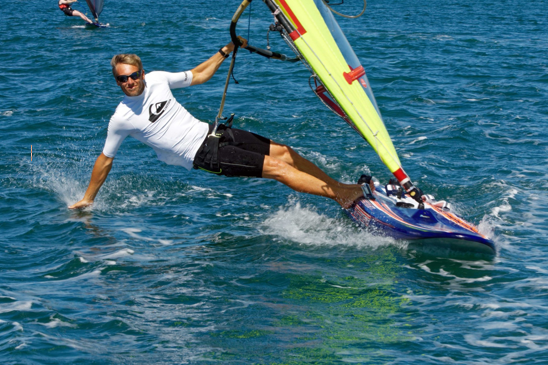
J’y pense ! L’occasion est d’autant plus intéressante qu’elle est proche de là d’où j’ai grandi et appris à naviguer (Fréjus). En fonction des dates je lancerai le projet. Ça fait un moment que je n’ai pas navigué en raceboard, il faudra que je vois si je sais toujours faire et aussi me ré équiper !
Quelles sont les qualités importantes pour la raceboard ?
Les qualités requises pour la raceboard sont variées :
- Une compréhension du vent est essentielle. Être capable de sentir et d’interpréter les changements de vent sur l’eau est crucial pour ajuster sa trajectoire et optimiser sa vitesse. Cela nécessite une expérience pratique et une sensibilité développée par de nombreuses heures sur l’eau
- La raceboard exige une polyvalence technique pour naviguer dans diverses conditions de vent. Que ce soit par vents forts ou faibles et sur toutes les allures du prés au vent arrière, il est essentiel de s’adapter rapidement et efficacement. Cette polyvalence technique est un atout majeur pour performer.
- Une bonne condition physique car le pomping est autorisé !
La raceboard offre un support très polyvalent, ce qui la rend idéale pour la régate. Son ratio entre la perte aux manœuvres et la vitesse est plutôt bon. Cela signifie que lors des manœuvres, les pertes de vitesse sont minimales ce qui ouvrent des possibilités tactiques permettant ainsi d’exploiter efficacement le vent.
Pour finir, avez-vous des conseils pour quelqu’un qui souhaiterait se mettre à la planche ?
Mes conseils pour débuter la planche à voiles sont :
- Avoir du matériel adapté. Aujourd’hui s’équiper en matériel d’occasion est possible avec un budget maitrisé. Ce sport est devenu accessible avec l’arrivée de planches larges et stables. Il n’est pas nécessaire d’avoir le dernier matériel pour s’éclater, du matériel d’occasion suffit !
- Comprendre le vent. On ne doit pas être contre lui mais jouer avec. Il faut se servir du vent pour obtenir de belles sensations à la clé
- S’accrocher ! car les sensations et la technique viennent progressivement et ouvrent par la suite un champ de possibilités important, naviguer au harnais, le planning, le vol en foil…et un terrain de jeu immense
- Ne pas avoir honte de débuter ! Il faut persévérer et ne pas se comparer aux autres. Se fier à ses sensations et se faire son propre parcours est essentiel.